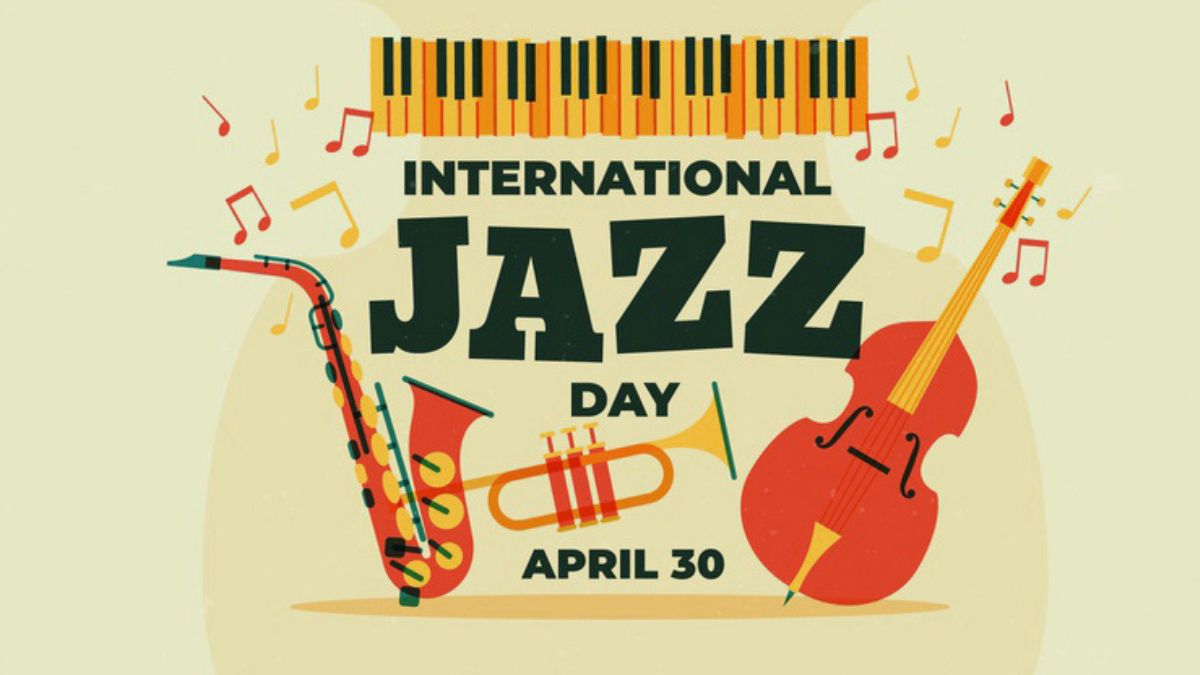
April 30th is the day the world tunes into the same frequency to celebrate International Jazz Day. More than just a tribute to a musical genre, this date—established by UNESCO in 2011—celebrates diplomacy, freedom of expression, and intercultural dialogue.
Jazz was born at the beginning of the 20th century in the African-American communities of New Orleans, but it quickly crossed borders, oceans, and social barriers. Today, it is recognized by UNESCO as an “educational tool and a force for peace, unity, and dialogue.”
1. The Origins of the Observance
The date was officially proclaimed by UNESCO in November 2011, following an initiative by the legendary pianist and composer Herbie Hancock, who also serves as a UNESCO Goodwill Ambassador. The first official celebration took place in 2012.
Since then, the day has been coordinated by UNESCO in conjunction with the Herbie Hancock Institute of Jazz. The goal is to raise international awareness of the virtues of jazz as a tool for promoting peace, tolerance, and cooperation among peoples.
2. Why Jazz?
The choice of this musical genre for an international date is not random. Jazz is built on principles that mirror democratic values:
- Improvisation: Represents individual freedom within a collective effort.
- Dialogue: The music functions as a conversation (call and response) between musicians.
- Diversity: It draws from African, European, and Latin sources, merging them into a universal language.
- History of Resistance: Jazz was the voice of oppressed communities and a driving force for the civil rights movement.
3. Chicago: The 2026 Host City
Every year, UNESCO designates a Global Host City to centralize the main celebrations. In 2026, the honor belongs to Chicago, USA.
The choice is symbolic for two reasons:
- History: Chicago was the destination for many New Orleans musicians in the 1920s (including Louis Armstrong), becoming an essential laboratory for the development of modern jazz.
- 15th Anniversary: 2026 marks 15 years since the creation of International Jazz Day.
4. The All-Star Global Concert
The highlight of the celebrations is the All-Star Global Concert, a show that brings together the biggest names in contemporary jazz. The event is typically streamed worldwide, allowing millions of people to witness unique collaborations between artists of different nationalities.
5. How the Day is Celebrated Worldwide
While there is a host city, International Jazz Day takes place in more than 190 countries. Activities include:
- Free Concerts: From jazz clubs to public squares.
- Workshops and Masterclasses: Experienced musicians teach improvisation techniques to young students.
- Debates: Round tables on the role of music in social justice and conflict resolution.
- Film Screenings: Documentaries and biopics about icons like Miles Davis or Billie Holiday.
6. Jazz in Portugal
Portugal has a strong and growing connection to jazz. Institutions like the Hot Clube de Portugal (one of the oldest jazz clubs in Europe) and festivals such as Jazz em Agosto or Angrajazz ensure the country breathes this genre. On April 30th, it is common to find extensive programming from North to South and in the Islands, with highlights in cities like Lisbon, Porto, Coimbra, and Loulé.
“Jazz is not just music, it’s a way of life, it’s a way of being, a way of thinking.” — Nina Simone
How to participate? Even if you can’t attend a concert, you can celebrate this day by listening to the classics or discovering new talent. The music itself is the ultimate invitation to unity.
#InternationalJazzDay #JazzDay #JazzMusic #UNESCO #HerbieHancock #JazzLife