
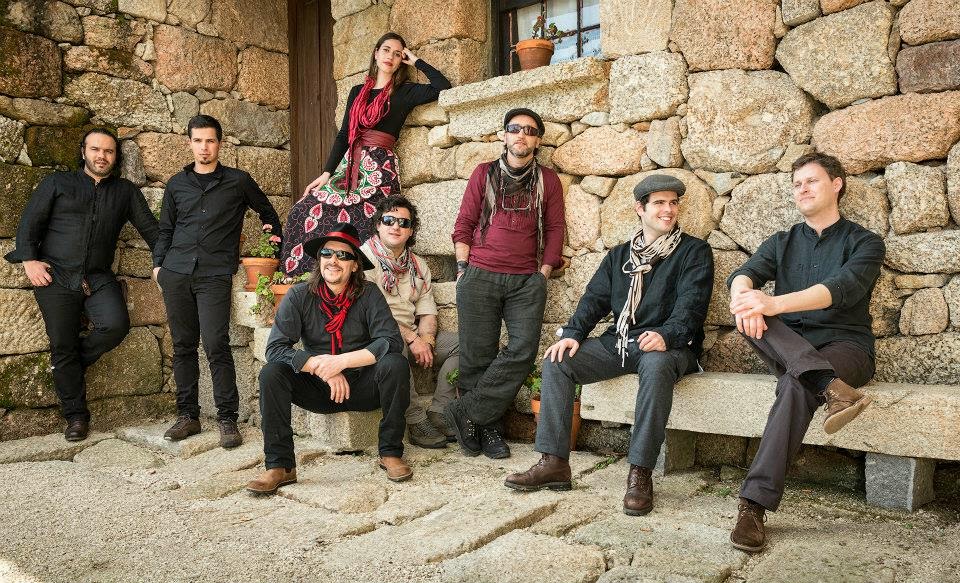
This article explores the trajectory and essence of the musical group Andarilhos, based on documented historical and cultural information.
The Andarilhos represent a vibrant voice in the preservation of Portugal’s sonic identity. Founded in 1991 in the village of Baião, the group was born with the purpose of reinterpreting the roots of traditional Portuguese music. After a significant restructuring in 1997, the project consolidated the sound and vision that turned them into a benchmark in the country’s folk and ethnographic music scene, bridging the gap between historical heritage and modern performance.
The group’s creative essence drinks directly from the springs of the Serra da Aboboreira and the people of Baião. It is within this bucolic setting, rich in tradition, that the musicians find inspiration, transforming oral histories and local customs into vibrant compositions. A central figure in this journey was “Ti Carvalho,” a local icon whose life experiences and folk wisdom served as the foundation for many of the themes developed by the ensemble over the decades.
The group’s distinctive sound is built upon a diverse and talented lineup of musicians. The formation features Vítor Bruno on flutes and gaita-de-foles (bagpipes), Vítor Rodrigues providing vocals and percussion, and Luís Pinho on the classical guitar. The traditional strings are handled by Rui Beirão on the cavaquinho and Manuel Rocha on the viola braguesa, while José Silva rounds out the melodic core on the accordion and Mário Ferreira provides the rhythmic foundation on the electric bass.
Musically, this specific arrangement allows the Andarilhos to evoke a deep Lusitanian ancestry. In their performances, the harmony between the strings and the wind instruments creates an “infectious energy” that invites the audience to do more than just listen. This instrumental synergy, paired with well-crafted vocals, transforms every concert into a communal celebration, encouraging active participation through movement and traditional dance.
The recognition of the group’s work is recorded in a discography that includes landmark albums such as Alvorada (2003) and Caminho Velho (2011). In addition to studio recordings, the Andarilhos consolidated their presence through videographic records and performances on prestigious stages, such as the Teatro Helena Sá e Costa. These achievements prove that traditional-style music holds a vital and contemporary space in Portuguese culture, far beyond simple nostalgia.
In short, to speak of the Andarilhos is to speak of an act of cultural resistance. They are not merely performers, but guardians of an intangible heritage that refuses to be forgotten. Through the dedication of its members, the group ensures that the spinning dances of the people and the sound of ancient instruments continue to echo, uniting generations under the same roof of celebration and respect for their origins.
Descubra a essência dos Andarilhos, a banda de Baião que reinventa as raízes da música tradicional portuguesa com uma energia festiva e contemporânea.
Do Douro para o mundo, o seu percurso une a herança da chula e do folclore, sonoridades originais que celebram a alma lusa.
Explore esta viagem musical única através do artigo completo no link: https://portugalmusic.co.uk/the-soul-of-baiao-the-musical-journey-of-andarilhos
#Andarilhos #MusicaPortuguesa #Baiao #MusicaTradicional