In the year 2000, the Portuguese alternative music scene witnessed the birth of one of the most unusual and creative projects of its time. Mola Dudle emerged from the creative partnership between Miguel Cabral and Nanu, offering a sound approach where experimentation and sensitivity went hand in hand.
With Miguel Cabral based in Tavira and Nanu residing in Sintra, geography seemed to erect a natural barrier to their joint work. However, the physical distance of hundreds of kilometers did not slow down the duo’s dynamics, turning instead into the very engine of their creative process.
The bridge between the two musicians was built through the constant mailing of cassettes via traditional post, in an ongoing dialogue of sharing. Each tape carried ideas and sketches that the other would deconstruct and alter, fueling an artistic game based on the element of surprise and mutual discovery.
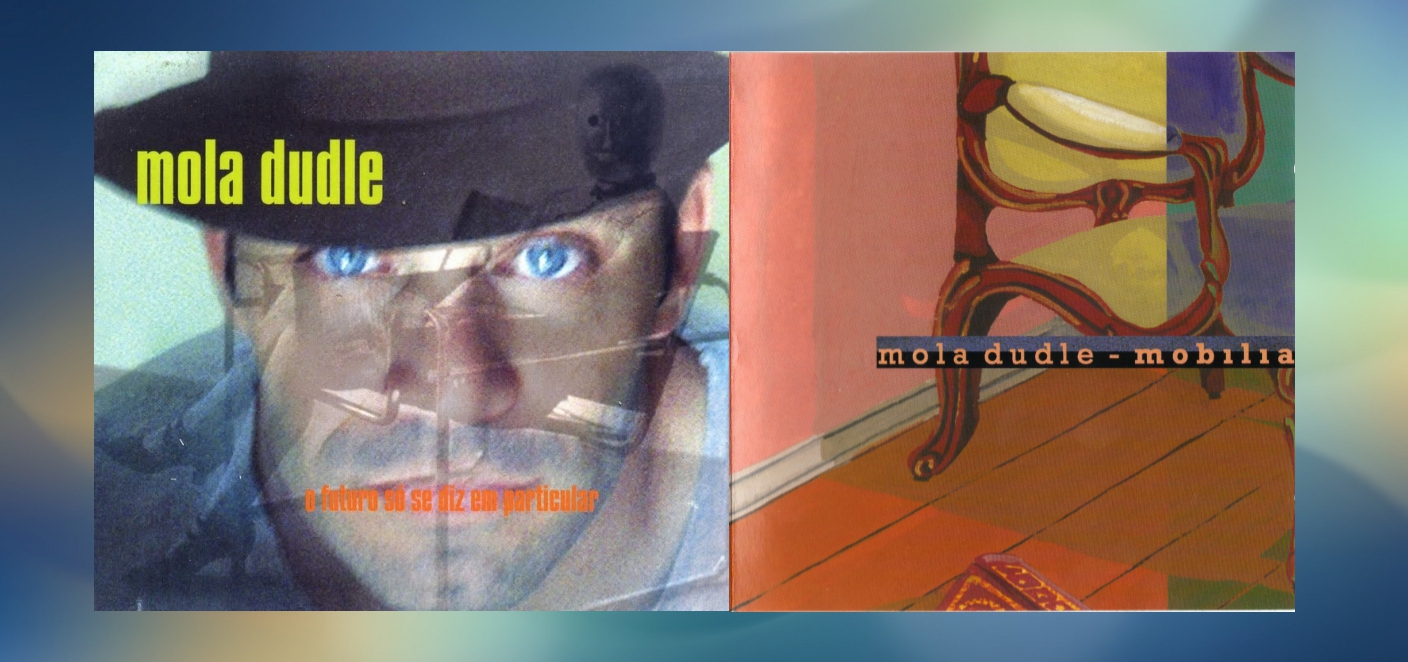
From this epistolary and sonic dynamic, their debut album, “Mobíla,” was born and released that same year by the Ananana label. The work took “home” and “distance” as conceptual axes, translating the routines and atmospheres of the domestic environment into musical material.
Everyday household life gained a new dimension through the gathering of domestic noises, turning ordinary objects into instruments. Sounds of chairs, shavers, blinds, cutlery, clocks, and even toasters were blended with guitars, keyboards, banjos, toy organs, and programming.
The album tracklist gathered 25 micro-songs portraying rooms such as the kitchen or the balcony, oscillating between a handcrafted nature and technological exploration. Demonstrating this openness to the unexpected, the track “300 km.” was entirely conceived and recorded over phone calls.
The music press at the time highlighted the project’s proximity to cult aesthetics, citing names such as Recommended Records, Biota, Negativland, Frank Zappa, and the playful electronics of the German label a-muzik. However, these influences appeared deeply digested and shaped by the duo’s own identity.
The band’s impact was also consolidated on stage, where concerts were marked by a strong playful, humorous, and improvisational component. Live, Mola Dudle deconstructed the conventional rules of pop/rock with modified instruments and a singular performative freedom.
In 2003, the group returned with the album “O Futuro Só Se Diz Em Particular,” marking a shift in their aesthetic path. With double bassist Miguel Leiria Pereira joining the lineup and Nanu taking on a more prominent role, the sound moved closer to pop song structures.
With a core focused on a retrofuturistic aesthetic, the work drew inspiration from the 1920s imagery, evoking radio, silent cinema, fashion, and cabaret. The lyrics incorporated excerpts from women’s magazines, dime-store literature, and old movie dialogues.
The record featured contributions from prominent figures in Portuguese music, such as Manuela Azevedo, Armando Teixeira, Marco Franco, and production by Mário Barreiros. This phase culminated in enhanced media visibility, with tracks played on alternative radio stations and the group becoming the resident band on RTP 2’s TV show “A Revolta dos Pastéis de Nata.”
The project came to an end in the years following the release of their second album, O Futuro Só Se Diz Em Particular (2003), and their stint as the resident band on RTP 2’s TV show A Revolta dos Pastéis de Nata. They have not released any new records or performed live since then.
After the band dissolved, its members pursued different paths in music and other artistic fields:
- Miguel Feraso Cabral: Remained active in experimental music and composition, participating in various independent projects (such as The Nevermet Ensemble), creating sound installations, and working in visual arts and design.
- Nanu: Continued his journey as a musician and composer, contributing to various musical collaborations and alternative projects.
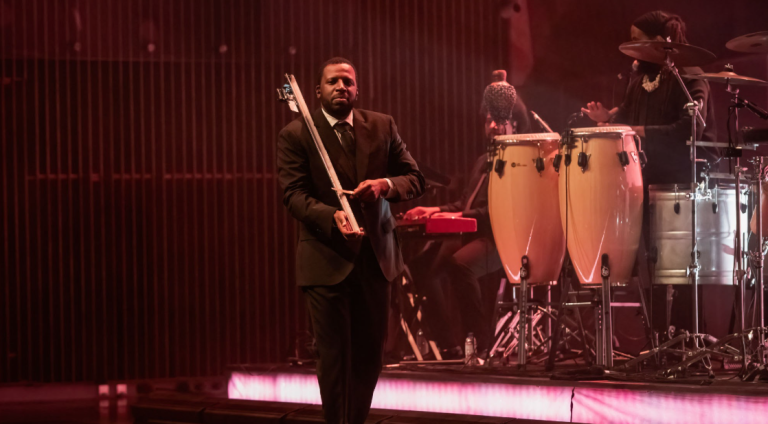
- Miguel Leiria Pereira: Stayed very active as a double bassist, collaborating on several projects across jazz, world music, and the Portuguese indie/pop scene.