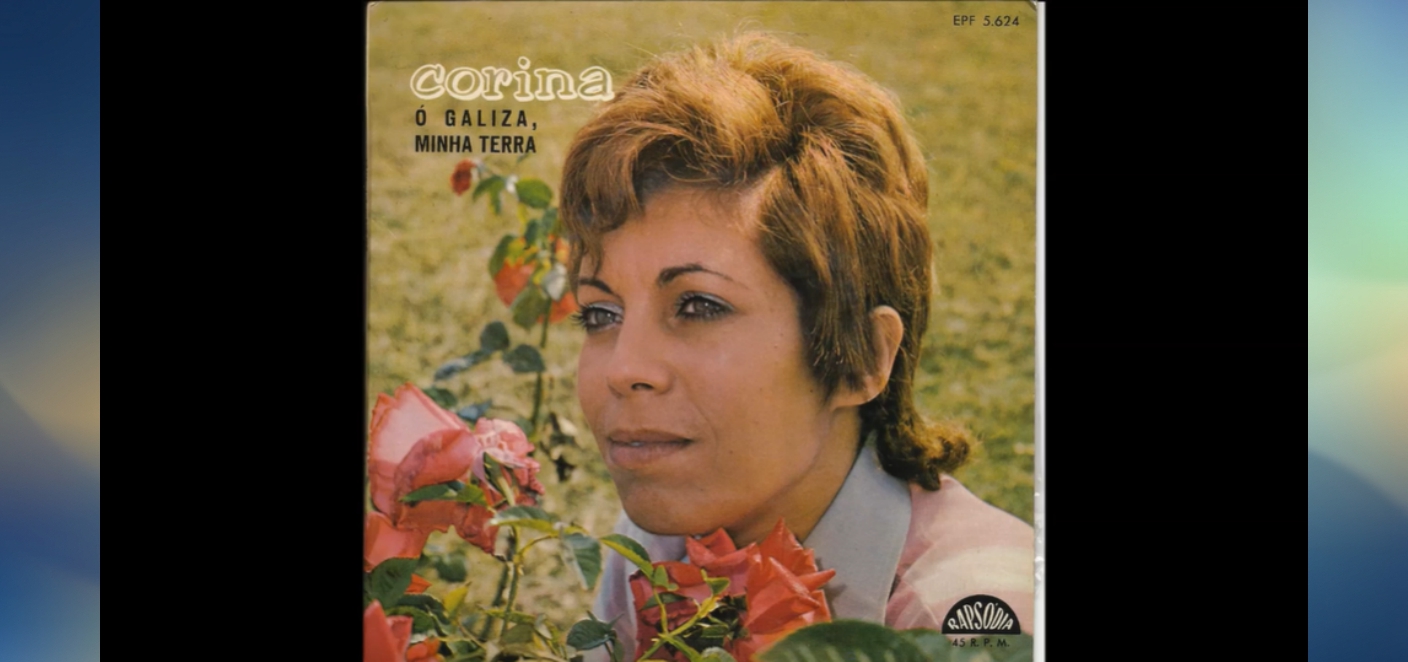
Corina de Sousa, known artistically simply as Corina, is one of the unmistakable names in Portuguese light and popular music of the 1970s and 1980s. With a dazzling stage presence, a vibrant voice, and a unique ability to connect with her audience, the artist built a solid career that earned her a cherished place among the Portuguese people and emigrant communities.
Born in a Portugal bursting with cultural transformations, Corina began carving her artistic path at a time when music festivals and light songs dominated record players and radio broadcasts. Her natural charm and distinctive vocal timbre quickly set her apart from other performers of her generation, captivating music promoters and producers alike.
The major turning point and defining moment of her career came with her performance of festive and popular songs, rich in humor, wordplay, and double-entendres deeply rooted in national tradition. Corina knew better than anyone how to embrace the aesthetic of traditional musical duels (desgarradas) and urban folklore, turning traditional and popular tunes into authentic sales phenomena.
Her greatest and most iconic hit is undoubtedly the song “Ó Manel da Rola.” Featuring a catchy melody and playful lyrics that became etched in the collective memory, this track became a staple at country fairs, dances, and local festivals from north to south, remaining instantly associated with her name to this day.
In addition to the unforgettable “Ó Manel da Rola,” her repertoire includes other major hits that consolidated her status in popular music. Songs like “O Burro da Vizinha” and “O Chupa-Chupa” followed the same playful, lighthearted style, securing constant airplay on local radio stations and Portuguese TV variety shows.
However, Corina did not limit herself to cheeky up-tempo songs; her discography also reflects a strong connection to folk roots and the rhythms of popular street parades (Marchas Populares). She recorded several songs dedicated to the Midsummer St. John’s festivities and popular patron saints, demonstrating a vocal versatility that seamlessly bridged lively celebration and romantic pop ballads.
Her popularity quickly crossed continental borders, making her a frequent performer across the diaspora. Corina toured countries such as France, Switzerland, Germany, Canada, and the United States, bringing the joy of Portuguese music to emigrants who found in her concerts a warm embrace and a nostalgic bridge to their homeland.
Throughout decades of work, the singer shared the stage with the most prestigious artists of her era and appeared on iconic programs broadcast by Radio and Television of Portugal (RTP). Her discography, mostly released on vinyl and cassette formats, continues to be reissued and sought after today by fans of Portugal’s festive musical heritage.
Today, Corina de Sousa’s legacy remains vibrant within popular songcraft. Her enduring contribution to Portuguese light music lies in her ability to transform everyday life and humor into art accessible to everyone, cementing her unquestionable status as one of the queens of Portuguese party music.