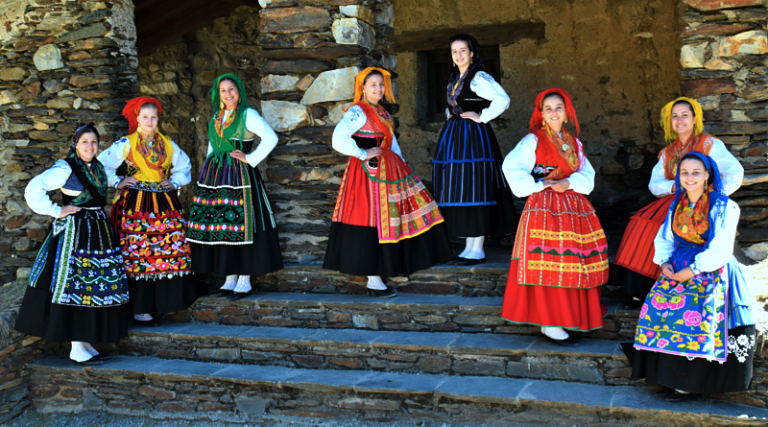
Born Maria José Canhoto in the village of Soalheira, in the municipality of Fundão, on April 25, 1950, the singer who would later become known worldwide simply as Alexandra carries in her voice the soul of Beira Baixa and the lyricism of the Portuguese-speaking world. Her journey to the stage began far from the metropolis, initially adopting the stage name Marizé and singing her first notes in front of the microphones of Rádio Clube de Moçambique.
Upon returning to Portugal in mid-1976, amid the political and cultural fervor following the Carnation Revolution, the artist began an intense journey toward establishing her musical career. Alongside the group Man Matos & Marizé, she performed at iconic venues such as the Casino da Póvoa de Varzim and in shows across the south of the country, opening doors for international invitations that would take her as far as California.
Her definitive transition to the stage name Alexandra occurred during a period when Portuguese music was seeking new identities on radio and television. One of her first major popular hits was the song “Senhora Maria,” written by António Sala, an initial milestone that consolidated her regular presence in the national artistic scene.
The revue theater stage was another essential pillar in building her interpretive versatility. By stepping in for Simone de Oliveira in the play Em Águas de Bacalhau and joining productions at the historic Teatro Maria Vitória, such as E Tudo S. Bento Levou, Alexandra proved to be more than just a vocal performer: she was a magnetic stage presence.
In 1979, the singer permanently etched her name in the history of the RTP Song Festival with her performance of “Zé Brasileiro Português de Braga,” a song by António Sala and Vasco de Lima Couto. Although the track surprisingly did not advance to the grand final of the contest, the public turned it into a genuine radio phenomenon, making it one of the most played songs of that entire year.
Alexandra’s relationship with the Song Festival remained vibrant and fruitful throughout the 1980s. She participated in a duet with António Sala on the track “Uma Razão de Ser” (1980) and achieved her best placement in the competition in 1982, securing a commendable 3rd place with her moving performance of “Até Amanhecer.”
The 1980s also revealed an artist in constant search of new songwriters and sounds. Alexandra collaborated closely with major figures in Portuguese music, recording tracks by Paulo de Carvalho and Joaquim Pessoa, as well as unforgettable compositions by Carlos Paião—highlighted by hit songs such as “Passeio de Charrete,” “Pólvora,” and “Tudo Acabou.”
During her time with the prestigious record label Valentim de Carvalho, the singer continued to be a regular presence at the RTP Song Festival with “Rosa, Flor-Mulher” (1983) and “Cantar Saudade” (1985). At the same time, she ventured into adapting international hits and performing Iberian repertoires composed by Juan Carlos Calderón, demonstrating a vocal range without borders.
With the arrival of the 1990s, Alexandra began a process of deep reconnection with the fado tradition and Lisbon’s classic songbook. The turning point came in 1991 when she launched the project Alexandra… Regressa ao Passado, produced by the iconic José Mário Branco, where she revived timeless classics like “Fado de Cada Um” and “Lenda das Algas.”
This mature artistic work set the stage for what would become the greatest challenge and crowning achievement of her career. In the late 1990s, stage director Filipe La Féria selected Alexandra to star in the major theatrical and musical production Amália, where the singer stepped into the shoes of the Queen of Fado herself in her mature years.
Her visceral performance as Amália Rodrigues earned Alexandra unanimous praise from specialized critics and the public alike. For this anthology-worthy performance, the artist was honored with the Press House Prestige Award and “O Patriota” Theater Award, in a show that sold out venues for years.
Public recognition extended far beyond the stage and theater halls. In 2003, her hometown honored her by awarding her the Silver Medal of Municipal Merit of Fundão, and in 2012, on the first anniversary of Fado being declared an Intangible Cultural Heritage of Humanity, the Lisbon City Council distinguished her with the Municipal Medal of Merit (Gold Degree).
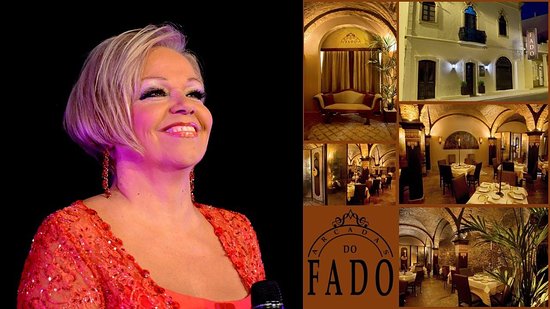
Throughout her career, Alexandra also expanded her artistic activities into entrepreneurship and cultural stewardship, maintaining a direct connection with fado lovers. The singer opened and managed landmark fado houses, such as the historic “Marquês da Sé” in Lisbon, and later “Arcadas do Fado” in the Algarve region, where she continued to perform regularly.
In more recent years, the singer maintained her presence in the audiovisual landscape by serving on judging panels for major Portuguese television formats, such as TVI’s All Together Now. Her experienced gaze continued to guide new generations seeking music as a serious form of artistic expression.
From her memories of Soalheira to international stages and her role immortalizing the voice of Amália, Alexandra built one of the most solid careers in Portuguese culture. Her voice, marked by flexibility between fado, popular songs, and musical theater, remains a living heritage of musical performance in Portugal.
Watch the audiovisual recording of the musical Amália, directed by Filipe La Féria.
This video features Alexandra’s celebrated performance as the Queen of Fado, one of the most defining moments of her artistic career in musical theater.