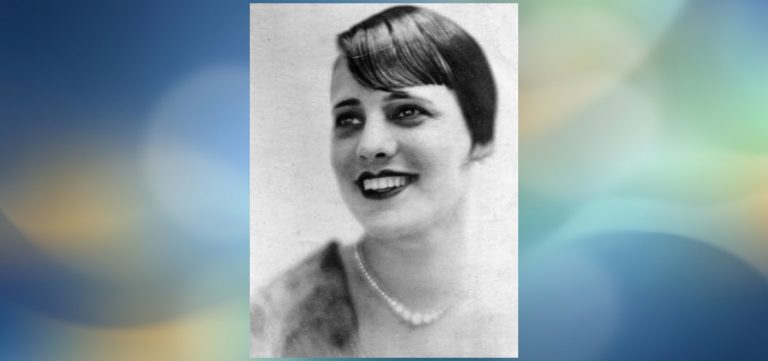
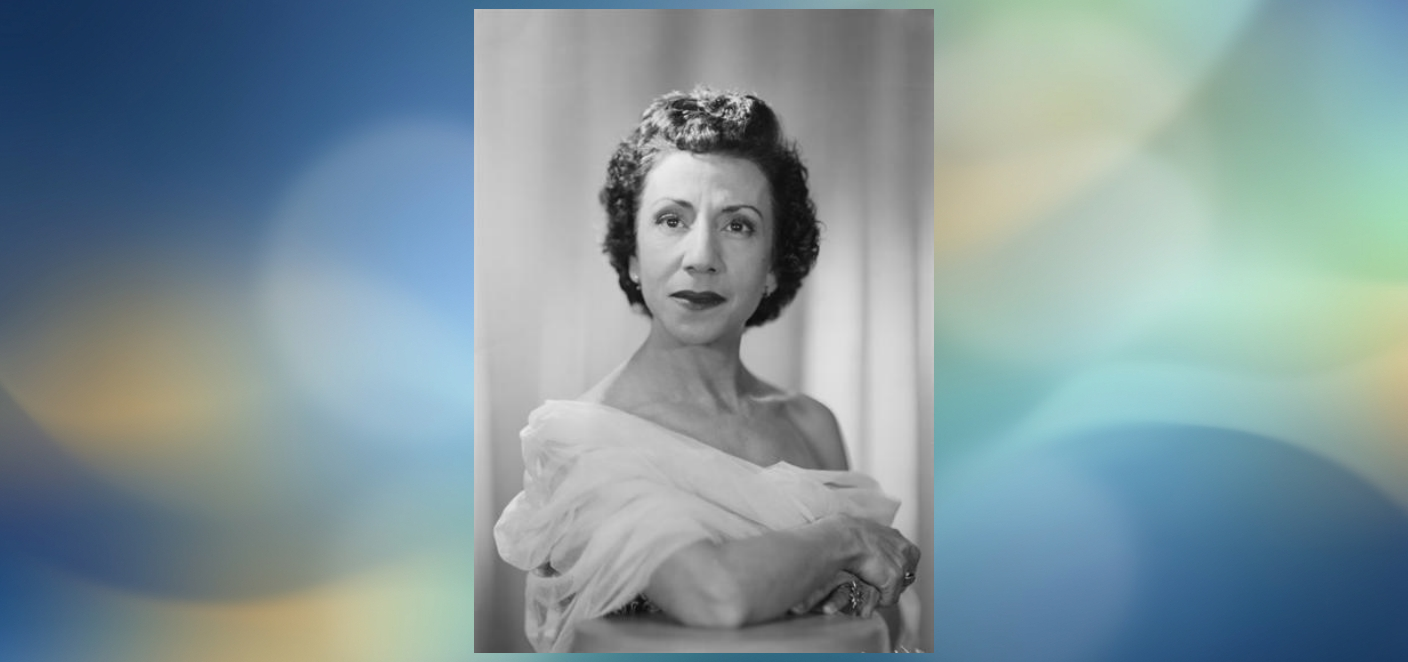
Maria Zulmira Casimiro de Almeida, immortalized by audiences as Mirita Casimiro (1914–1970), remains one of the most captivating and talented figures in Portugal’s performing arts history. Born in Espinho into a family with strong traditions, she revealed a natural calling for acting and singing from an early age, building a career that defined the golden age of national entertainment.
Her multifaceted talent allowed her to transition with grace between vibrant comedy and the intense dramatic demands of classic theatrical literature. With a magnetic stage presence and an unmistakable voice, she captivated audiences across multiple generations, becoming a true cultural landmark and a symbol of Portugal’s lively stage tradition.
Her breakthrough occurred in Lisbon’s bustling theatre scene during the 1930s, where the public quickly fell in love with her spontaneity. At the renowned Parque Mayer entertainment hub, the young actress demonstrated a rare artistic intuition, combining vocal versatility with an expressive capacity that enthralled packed venues.
Beyond her success on stage, her personal life also captured public attention, notably her marriage to the famous actor Vasco Santana, forming one of the most iconic partnerships of the era. Although life brought her significant hardship and emotional complexity, Mirita remained deeply faithful to her passion for acting, continuously returning to her direct connection with her admirers.
Her ultimate screen triumph arrived with a performance that etched her name into the history of Portuguese cinema. In the movie Maria Papoila (1937), directed by José Leitão de Barros, Mirita portrayed a naive and charismatic young woman from the Beira region arriving in the capital—an iconic performance that symbolized the purity and resilience of the Portuguese people, catapulting her to national stardom.
Major Successes and Career Highlights
- Maria Papoila (1937): The crowning achievement of her filmography in Portuguese cinema, where her acting performance and musical renditions became true popular classics.
- O João Ninguém (1936): The operetta and musical comedy at Teatro Variedades that established her status as a top star on Lisbon’s stages.
- A Catraia do Bolhão: One of her earliest major theatrical triumphs, widely acclaimed by critics and essential in launching her career.
- Repertoire at the Teatro Experimental de Cascais: Her memorable performances in demanding dramatic works, including Federico García Lorca’s The House of Bernarda Alba and Miguel Torga’s O Mar.
- Recorded Musical Hits: Outstanding interpretations of popular Portuguese songs such as Adelaidinha, Pica o Pé, and Carvalha D’Alva.
The transition to dramatic roles later in her career revealed the extraordinary range of her talent. Joining prestigious ensembles, such as the Teatro Experimental de Cascais (TEC), Mirita Casimiro proved that her artistry reached far beyond light comedy, approaching complex, layered characters with striking emotional depth.
Her dedication to the performing arts was absolute, as she embodied every role with a vibrant intensity that shone through every gesture and vocal nuance. This profound commitment turned her into an inspiration for fellow performers and emerging generations of actors who viewed her as the embodiment of theatrical devotion.
The legacy of Mirita Casimiro extends beyond the memory of her shows and recordings. Her cultural contributions are immortalized in the street names of various towns and in prominent cultural spaces, such as the Mirita Casimiro Municipal Theatre in Estoril, ensuring her light continues to illuminate Portuguese performing arts.
The life and work of Mirita Casimiro stand as a luminous testament to a lifelong passion for acting. Remembering her story is a celebration of a complete artist—generous in spirit and unforgettable in talent—whose voice and stage presence continue to echo through the heart of Portuguese theatre and cinema history.