
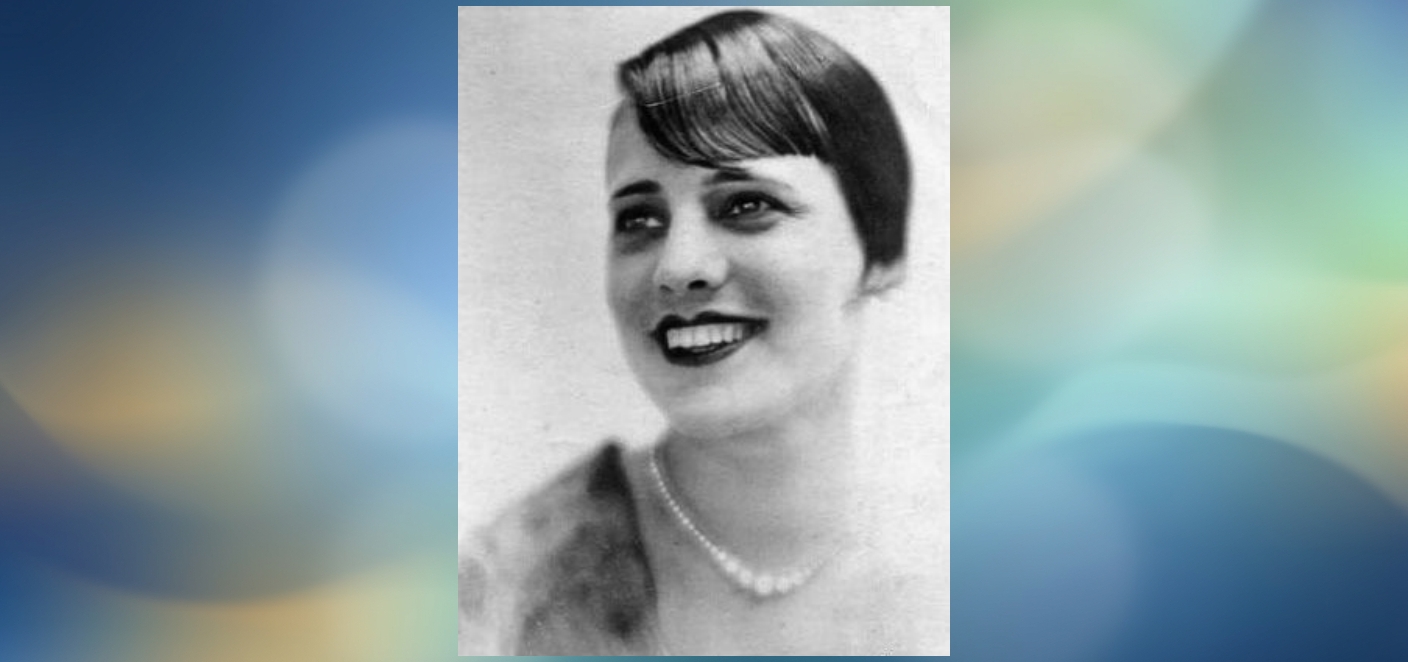
There are names in Portuguese culture that seem to have been unfairly forgotten by time, and that of Corina Freire is without doubt one of the most fascinating. Born in Silves in 1897, this remarkably talented Algarve native was not merely an opera singer, but a true force of nature who conquered both national and international stages in the early decades of the 20th century.
From an early age, Corina showed an extraordinary natural talent for music, training in piano and singing at the National Conservatory of Lisbon and standing out while still young. Her technical virtuosity combined with a captivating stage presence allowed her to transition effortlessly from classical opera singing to the popular stages of Portuguese musical theatre (revue).
The major turning point in her career came in the 1920s, when she became one of the biggest stars of Lisbon’s Revue Theatre. Her crystal-clear voice and elegant stage presence secured her leading roles in the most popular productions of the time, enchanting demanding audiences and earning praise from critics and peers alike.
Among her greatest musical hits, the emblematic performance of “As Carvoeiras” stands out—a song that became a signature piece of her repertoire and echoed through Portuguese performance halls. Another undeniable landmark was the song “Pai Paulino”, alongside memorable performances in revues such as Chá de Caxemira and Aspirina, where her vocal versatility shone brightly.
However, Corina Freire’s talent was too big to remain confined within national borders. In the 1930s, the artist embarked on an international journey and moved to Paris, achieving an impressive feat by performing in prestigious cabaret venues and Parisian theatres, singing in French with a grace that won over the French capital.
Her reach extended far beyond the European continent: Corina embarked on highly successful tours across Brazil and several Latin American countries. Wherever she went, she was acclaimed as an ambassador of Portuguese song and art, bringing the charm of Lusophone music to diverse international audiences.
Beyond the stage, Corina Freire also immortalized her recordings on record, working with various record labels of the era. Her discography includes rare audio recordings of fados, revue songs, and classical pieces, which today represent an invaluable sound heritage for the history of Portuguese music.
During the peak of her career in the 1920s and 1930s, Corina Freire immortalized songs that became true milestones of Portuguese Revue Theatre and music. Her greatest hit was undoubtedly her performance of “As Carvoeiras”, a song that became her signature trademark and delighted Portuguese audiences. Joining this classic were other hugely popular tracks, such as “Pai Paulino”, alongside her standout performances in hit revues like Chá de Caxemira and Aspirina, where her vocal versatility spanning operatic singing and fado shone in all its glory.
Following a brilliant career that also took her to the stages of Paris and Latin America, the artist gradually retired from public life. Corina Freire passed away in Lisbon on November 28, 1975, at the age of 78, leaving behind an invaluable musical heritage for the history of Portuguese culture.
Remembering Corina Freire means doing justice to a woman ahead of her time, who used her voice as a passport to the world and opened doors for future generations of Portuguese artists. Her name deserves to be celebrated with the same enthusiasm and brilliance with which she lit up 20th-century stages.