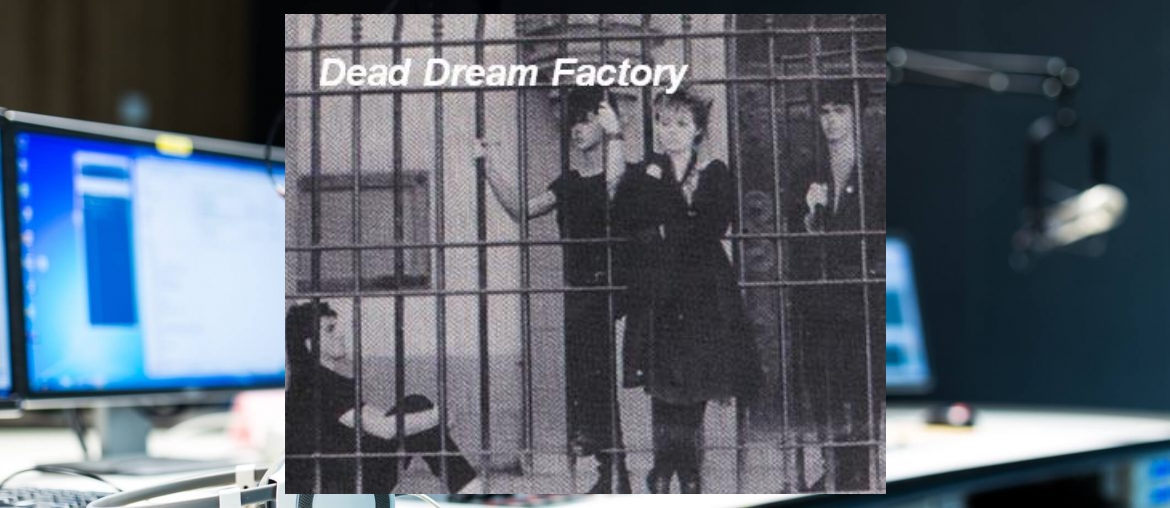
Formed in the vibrant atmosphere of February 1984, Dead Dream Factory emerged with the raw urgency typical of Lisbon’s youth at the time. The original quartet featured the charismatic Cristina “Psico” on vocals, José Pedro Ataíde on guitar, Pedro Alexandre Cardoso (the iconic “Camaleão”) on bass, and Sapo on drums. The band wasted no time, making their stage debut in April at the Casa Pia Atlético Clube. This baptism of fire served as a rehearsal for their greatest challenge yet: the 1st Modern Music Contest at the legendary Rock Rendez-Vous in May. There, they proved their worth by reaching the final, securing an honorable third place in a fierce competition alongside Culto da Ira and Mler Ife Dada.
Their performance in the contest immortalized the group through the track “Candy House,” recorded live on May 6, 1984, which became a standout piece on the compilation Ao Vivo No Rock Rendez-Vous em 1984. That year was a whirlwind for the project, even selling out two consecutive nights at the RRV. Dead Dream Factory’s energy wasn’t confined to the capital; the group headed north to close the year in style, sharing the stage at the Cruz Vermelha in Porto with Urb and Ban on December 30th, and celebrating New Year’s Eve the following night with a memorable show at the Fábrica disco in Braga.
Moving into 1985, the group maintained their momentum with more live shows and the creation of new tracks that explored fresh sonic horizons. However, the end of the year brought a major structural shift: José Pedro Ataíde left the band, handing his spot to Nick Gouveia (son of the well-known broadcaster Fialho Gouveia). Armed with this new energy and a renewed sense of ambition, Psico, Camaleão, and the newly arrived Nick decided that Portugal had become too small for their dreams. Driven by an adventurous spirit and the desire to break into a more competitive market, they packed their bags and headed for “Her Majesty’s land,” hoping to find the future of their music in England.