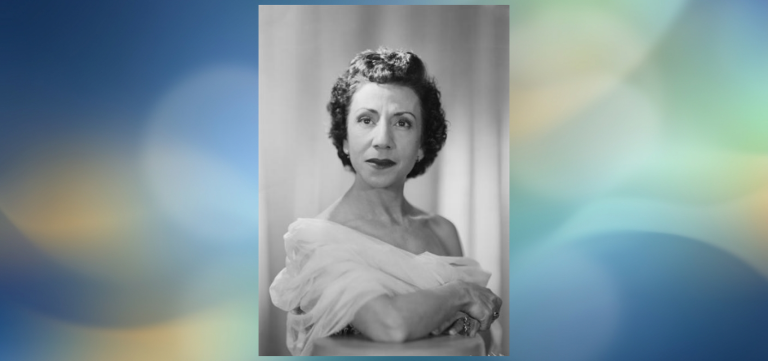
The history of Portuguese light music in the 1960s and 1970s holds essential chapters in stages and studios located far beyond the continental borders of Portugal. Among the most prominent figures of this artistic ecosystem stands singer Maria Natércia Mesquita Barreto Pereira, artistically known by her own name, Natércia Barreto, or affectionately nicknamed “Techa.” Born on June 7, 1950, in Vila de João Belo, in former Portuguese Mozambique, the artist established a remarkable career in the pop and pop rock genres during the golden era of radio broadcasting.
Natércia Barreto’s precocious talent manifested during her childhood through her participation in iconic radio shows. Formats such as “Os Sobrinhos da Tia Zita” and “Gente Nova ao Microfone,” created by the duo Maria Adalgisa and António Fonseca, served as the young performer’s first major showcase. This initial exposure opened doors for her to join the Conjunto Feminino in 1963, formally beginning a professional journey that would quickly gain widespread public acclaim.
Techa’s definitive rise in the music scene took place in 1964, when she joined the ranks of Rádio Clube de Moçambique. In the station’s studios, she performed accompanied by prestigious instrumental ensembles of the era, namely the Orquestra de Variedades, under the direction of conductor Artur Fonseca, and the Orquestra Típica, led by António Gavino. Massive recognition from both the public and critics followed swiftly, culminating in 1965 with her winning the “Óscar Revelação” award and being crowned “Queen of Radio” in Mozambique.
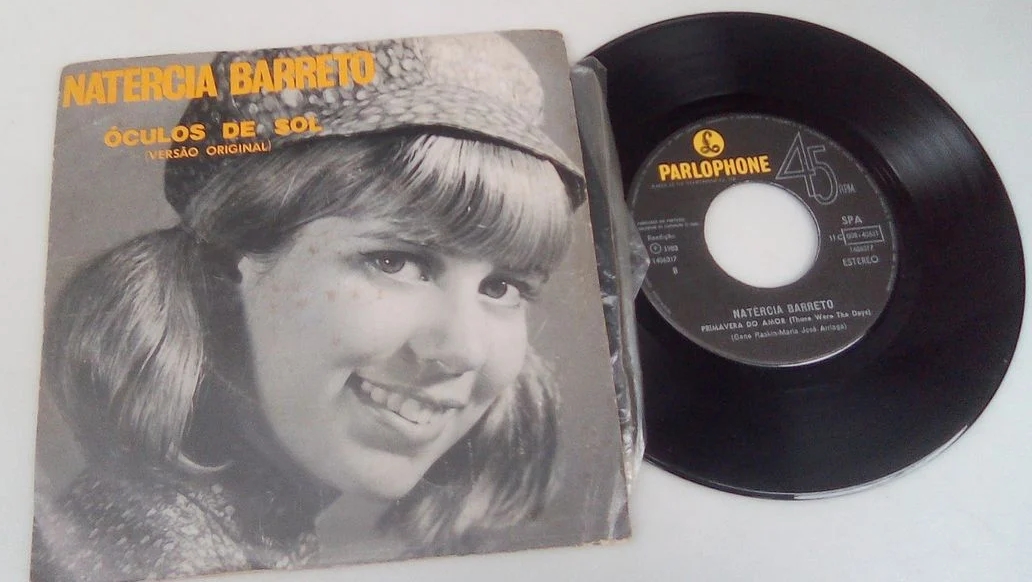
The recording market welcomed Natércia Barreto’s voice in 1968 with the release of her first extended play (EP), titled Natércia Barreto Canta Para Si!, issued by Parlophone. Her debut revealed the singer’s versatility by blending Portuguese adaptations of international classics—such as “San Francisco” and “A Tua Canção” (“Eternally” by Charles Chaplin)—with original creations, notably “Deixem-me Ser Teenager” and “Gigi.”
The creative dynamism of 1968 was reflected in the artist’s prolific discographic output, as she released a sequence of records. The EP Encore! introduced the public to Portuguese renditions of contemporary global hits, including “Vem Meu Amor” (“Delilah”), “Felicidades” (“Congratulations”), “Triste E Só” (“Love Is Blue”), and the Eurovision entry “La La La.” This ability to bring the international pop songbook closer to Portuguese-speaking audiences became one of the most distinctive hallmarks of her repertoire.
That same year, the release of another EP introduced the song “Óculos de Sol,” which would become one of the biggest popularity phenomena in Portuguese popular music as the decade turned to 1969. Driven by this success, the performer traveled to mainland Portugal to record at the prestigious Valentim de Carvalho studios, where she tracked original compositions by Luís Miguel de Oliveira provided by singer and producer João Maria Tudella.
Natércia Barreto’s popularity remained at a peak in the early years of the following decade, seeing her named “Queen of Radio” once again in 1970. The year was also marked by significant changes in her personal and geographical life: following her marriage in September 1970, the singer relocated to South Africa. Meanwhile, the Parlophone label compiled the highlights of her first releases into a full-length album (LP), consolidating her discography.
Settling in South African territory did not halt her musical activity or her connection to recording studios. Throughout the early 1970s, Techa released various projects featuring standout tracks such as “O Banco, A Árvore E A Rua,” “Chitato,” and “O Caminho do Pai.” In 1975, her presence in the local artistic circuit was crowned with a victory in the “Reis da Canção” competition, organized by the company Russel’s, an honor achieved in partnership with singer Zito.
During the second half of the 1970s, Natércia Barreto actively participated in several collective projects and widely distributed compilations. Between 1976 and 1977, her vocals were featured on the albums Festa 1, Festa 2, and Festa 3, where she recorded covers and original songs such as “Adeus, Amor, Adeus,” “Fernando,” and “Menino do Calção Branco,” maintaining a regular presence within the diaspora’s Portuguese-speaking community.
The artist’s studio recording career drew to a close in the early 1980s with the release of the single “Fantasia / Amanhã, Amanhã,” recorded in collaboration with Al Rodrigo and commercially issued by Valentim de Carvalho in 1981. However, stepping away from commercial studios did not mean ending her connection to music; starting in 1995, Natércia Barreto reinvented herself on stage by embracing Fado, performing at cultural events alongside Zito and other diaspora artists.
The memory of Natércia Barreto’s work remains alive in the heritage of Portuguese light music, frequently revisited through the inclusion of tracks like “Óculos de Sol” in retro compilations. The artist’s appearances on Portuguese public television in later years reaffirmed the enduring value of a career built on vocal talent and an ability to connect with audiences across continents.