
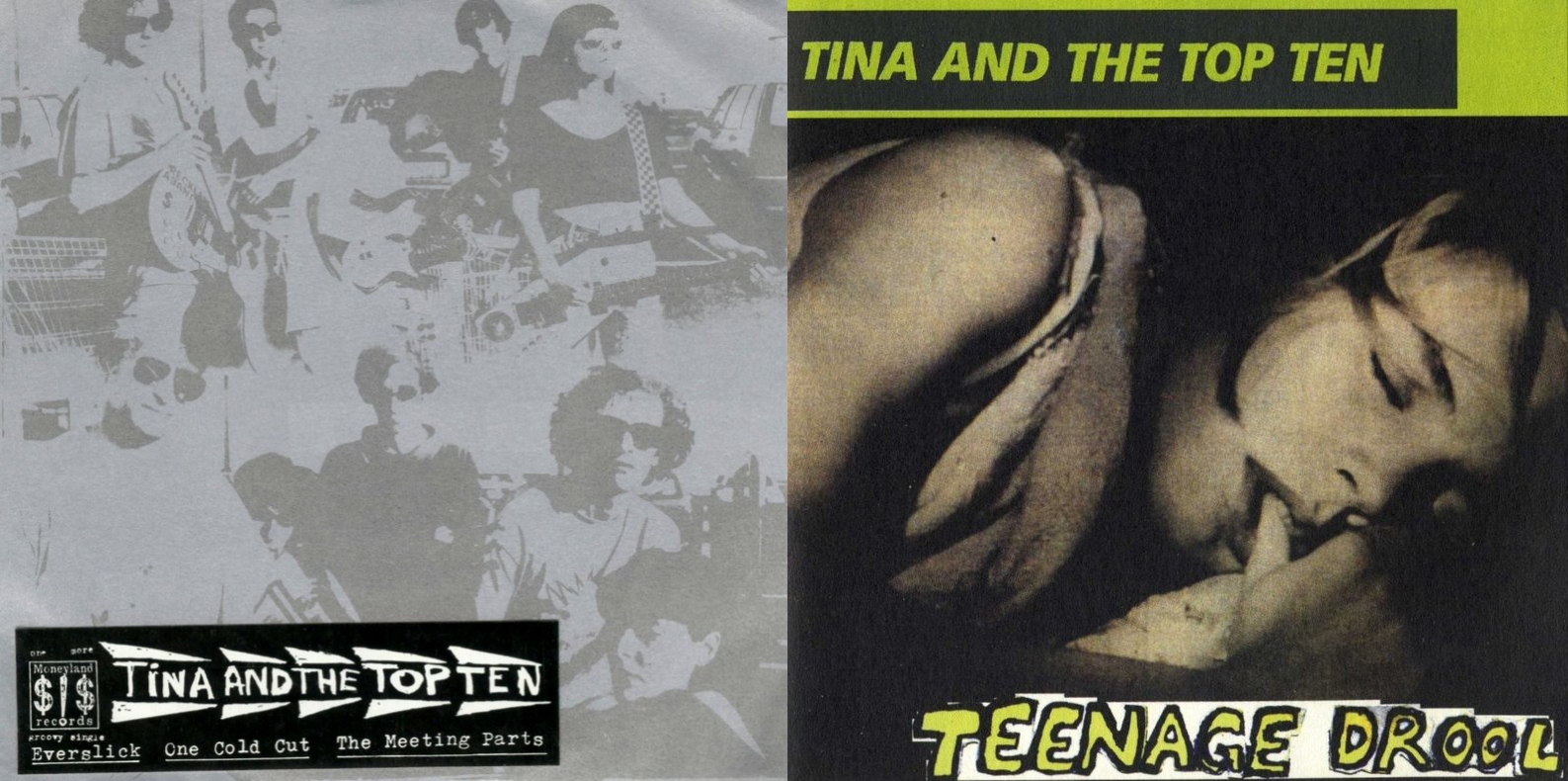
It all began in 1989, somewhere between the bustle of Lisbon and the creative spirit of Caldas da Rainha, when João Paulo Feliciano decided to bring Tina and the Top Ten to life. With a healthy dose of irony, they introduced themselves as the first “fake American rock band” in Portugal, challenging the conventions of the time. The original collective was an eclectic mix of personalities, including Johnny O. Silva, Manuel Duarte, and the striking voices of Cosmic Rita and Plastic Mimi, all under the baton of the charismatic “Dr. Top.”
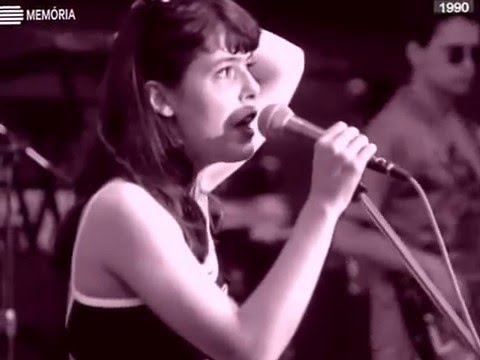
The band’s history took a peculiar turn early on when Tina Costa, the vocalist who gave the group its name, decided to leave after only two concerts to dedicate herself to studying the double bass. Even without its central figure, the name stuck and so did the identity. During the early days, the band plunged into intense activity, insisting on communicating only in English during their concerts, which gave them an aura of mystery and rebellion within the alternative circuits of 1990.
Their official recording debut came in early 1991 with the release of the cassette “Yeah Trips.” This self-published edition was a true sonic collage, blending Stockhausen samples with rhythms from Boney M or riffs from Deep Purple. It was the perfect reflection of a band that was not afraid to experiment or to scramble the musical references of its audience.
The year 1991 continued to be generous to the group, as they recorded the track “Real McKoy” and began to gain visual visibility by filming two videos. Their talent was recognized with a second-place finish in a prestigious contest held by the Lisbon City Council, but their true baptism of fire happened at the Festa do Avante, where they performed for an impressive crowd of 15,000 people on the main stage.
As with any dynamic artistic project, lineup changes were inevitable. In 1992, Pedro Falcão took over the drums, and the departure of Cosmic Rita left the group with a reduced female presence. It was during this phase that João Paulo Feliciano, driven by a “do it yourself” spirit, founded Moneyland Record$, creating a space for the band and other prominent names from the independent rock scene of the time.
The release of a triple vinyl single by the new label introduced the public to “Looking at the Sick Pearl,” a song that shifted Tina and the Top Ten to a new level. From that point on, they ceased to be just a conceptual experiment and established themselves as one of the most original and high-quality bands on the national rock scene of the 90s, earning the respect of critics and peers alike.
One of the most significant moments in their trajectory occurred in the spring of 1993, when Feliciano crossed paths with Lee Ranaldo of the legendary Sonic Youth in New York. This chance encounter resulted in a dream invitation: the Portuguese band was chosen to open for Sonic Youth’s debut concert in Portugal, an international stamp of approval that few could boast.
By this time, the single “Everslick” was already in rotation, showcasing the maturity of the group’s sound with tracks like “The Meeting Parts.” Interestingly, the creative energy of the members was not exhausted here, as almost everyone kept a foot in other iconic projects such as Ena Pá 2000 or Pop Dell’ Arte. It was an era of constant crossovers and a cultural effervescence that defined Lisbon back then.
Finally, in 1994, the world met “Teenage Drool,” their debut album produced by the talented Rafael Toral. The record, released by El Tatu, featured the single “No More,” which managed the feat of crossing the border and receiving heavy play on Spanish radio stations. This success allowed them to take their “falsely American” rock to cities like Madrid and Barcelona.
The music of TTT was not limited to conventional stages, even integrating art installations at the Centro Cultural de Belém during the Lisboa 94 event. The following year, they returned to the warmth of large crowds at the Festival Imperial, while also participating in compilations that today are true cult objects for those who followed the alternative rock of the 90s.
After this peak of visibility, the band entered a period of silence that lasted nearly two years, leaving fans in anticipation of new moves. This hiatus was only broken in 1997 with a nostalgic return to the Ritz Club. The final chapter of this adventure would be written in the summer of 1998, with two memorable performances at Expo’98, closing a cycle of nearly a decade of irreverence.
What remains for history is the mystery of an album that never saw the light of day. Between 1995 and 1997, the group recorded 11 tracks produced by Joe Fossard that promised to be the natural evolution of their sound. Although these recordings remain stored away and unreleased to this day, the legacy of Tina and the Top Ten remains very much alive in the memory of those who lived through the explosion of independent rock in Portugal.