Every year on March 21st, Europe enters a sonic time capsule. While the Northern Hemisphere celebrates the spring equinox, the world of arts celebrates the European Day of Early Music. More than just a date on the calendar, this event is a manifesto for the preservation, study, and, above all, the vibrant performance of a heritage that shaped the continent’s cultural identity.
1. Origins and the Significance of the Date
Established by REMA (Réseau Européen de Musique Ancienne), this day was created to shine a spotlight on music written from the Middle Ages through the end of the 18th century.
The choice of March 21st is doubly symbolic:
- The Birth of a Genius: It marks the birthday of Johann Sebastian Bach (born March 21, 1685), a central figure who synthesized Baroque art and laid the foundations for modern Western music.
- The Renewal of Spring: It symbolizes the flowering and constant rediscovery of these repertoires.
2. What Defines “Early Music”?
The public often associates classical music with a single, monolithic block. However, Early Music focuses on HIP (Historically Informed Performance). This involves:
- Period Instruments: The use of original instruments or faithful replicas, such as the harpsichord, the lute, the viola da gamba, and recorders.
- Technique and Aesthetics: Studying ancient treatises to understand how musicians of the time articulated, improvised, and ornamented their pieces.
- Temperament: Instrument tuning follows different standards than modern ones, resulting in richer and more “colorful” sonorities.
3. The Importance of the Celebration
In an era dominated by digital and immediate production, the European Day of Early Music fulfills vital functions:
- Valuing Invisible Heritage: Much of this music survived only in manuscripts within church archives and libraries. This day encourages its digitization and performance.
- Education: It brings younger generations closer to sounds that, despite being centuries old, possess a freshness and capacity for improvisation very similar to jazz or folk music.
- European Unity: It strengthens cultural ties between nations that, despite different languages, shared the same “musical code” for centuries.
Table: Major Periods in Focus
| Period | Main Characteristics | Key Composers |
| Medieval | Monophony (Gregorian Chant) and the birth of Polyphony. | Hildegard von Bingen, Machaut |
| Renaissance | Vocal balance, complex harmony, and motets. | Josquin des Prez, Palestrina |
| Baroque | Contrast, ornamentation, and the birth of Opera. | Bach, Vivaldi, Monteverdi |
4. How to Participate?
Although the epicenter is in Europe, the event has a global reach via the internet. On March 21st, you can find:
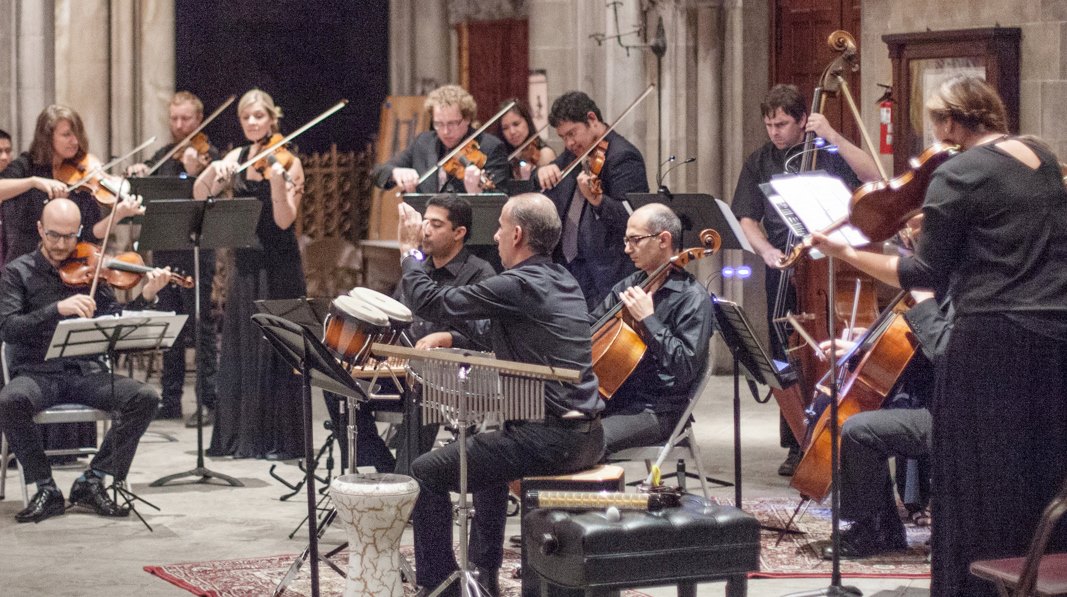
- Concerts in Historic Venues: Performances in castles, monasteries, and palaces broadcast via streaming.
- Lectures and Masterclasses: Experts discuss instrument building and the reading of ancient scores.
- Community Events: Small chamber ensembles bringing music to unexpected public spaces.
“Early music is not a museum of dead sounds, but a living conversation with the past that helps us understand the present.”