
Lisbon is so much more than the classic postcard image of fado and historic alleyways. As those who live there like to remind us, the Portuguese capital is now a true melting pot of cultures, with a powerful African pulse running through its veins. This diverse Lisbon, born from the post-decolonization era and the economic boom of the ’90s, is out there for everyone to see—and it was precisely from this fertile, blended soil that Terrakota was born.
Their musical journey began at the end of the millennium, specifically in 1999. It was through the hands of Júnior (vocals and guitar), Alex (guitar and kora), and Humberto that the project came to life, proving from the very first moment that the band was here to stay and shake up the music scene.
From the Impact of Africa to a Melting Pot of Sounds
Everything changed after a three-month journey through the African continent, from which the founders returned literally “intoxicated” by new colors and sounds. Determined to channel this energy, they recorded a demo and opened their doors to three new members to enrich the project:
- Davide Rodrigues (drums)
- Francesco Valente (a bassist with Italian roots)
- Romi (a vocalist and dancer with an Angolan soul)
The initial impact was highly encouraging, and the group began playing regularly in self-organized concerts. The sound they trademarked had no borders, blending African roots with Jamaican reggae, Arabic mysticism, Brazilian warmth, and the immersive nature of Indian music.
With their experience and confidence growing, the group felt the need to strengthen their rhythm section. It was during this moment of expansion that they brought percussionist Nataniel Melo into the fold, adding even more body and weight to their infectious rhythms.
Conquering Europe and the Stamp of Success
In 2001, Terrakota ventured out on a major European tour through Spain, France, and Italy—southern countries historically more open to this kind of fusion. Upon returning to Portugal, they found themselves flooded with recording offers, ultimately choosing to sign with Zona Música to release their self-titled debut album in 2002.
The record achieved massive success in both sales and reviews, allowing them to spend the next two years jumping from stage to stage, especially during the summer, playing major festivals all across Europe.
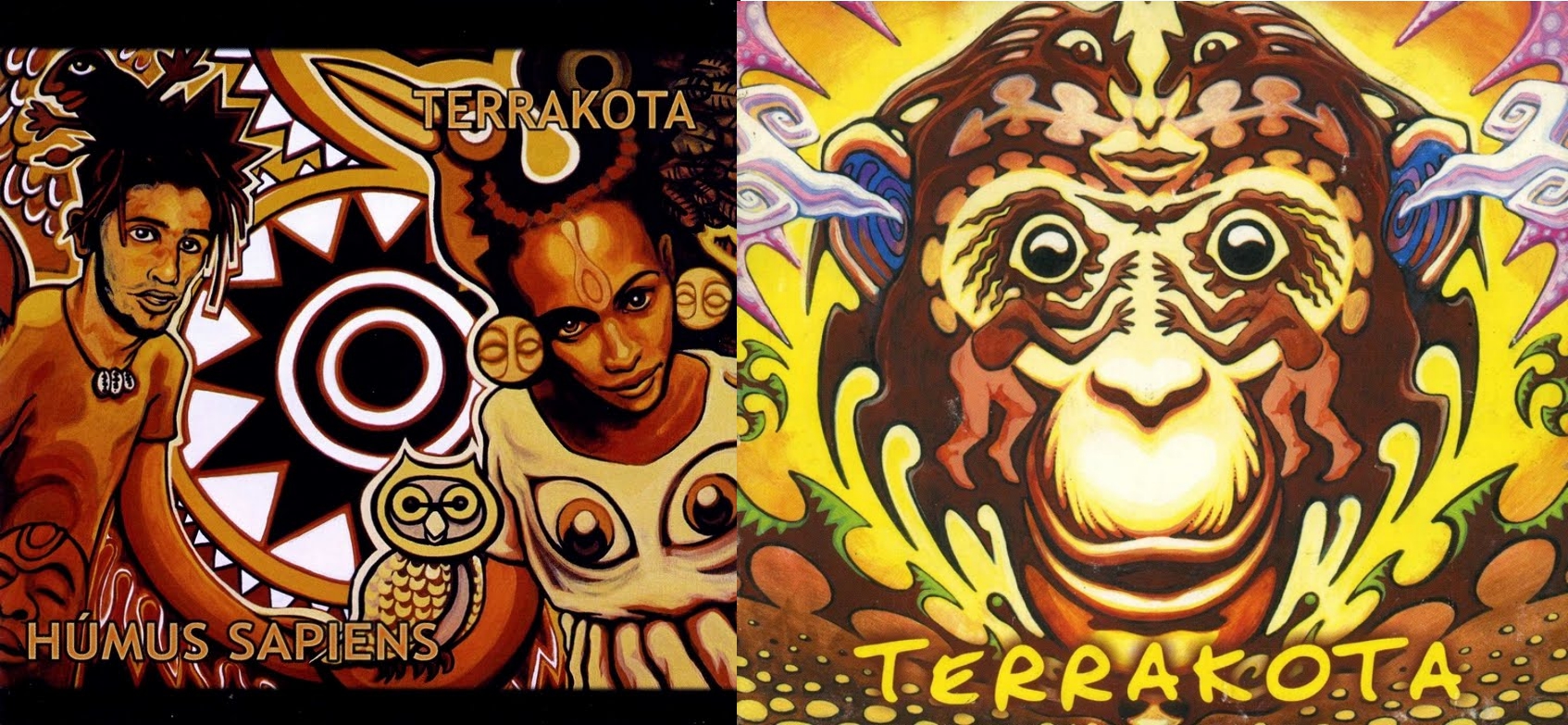
In 2004, they raised the bar with the release of “Húmus Sapiens”, the group’s second full-length album. Recorded at Youssou N’Dour’s mythical Xippi Studios in Dakar (Senegal), the work reflected immense maturity, showcasing the band singing in around ten different languages and dialects before they set off on a new European tour playing both major venues and intimate spaces.
“Terrakota’s music is joyful, expansive, and contemplative, bringing an optimistic message without ever losing its critical edge.”
Awards, India, and the Top of the World
The year 2007 brought the album “Oba Train”, released and distributed worldwide through the Italian label Felmay, which was warmly received in countries with strong multicultural traditions. Their visual success was also noticed, with the music video for the track “É Verdade?” winning a prestigious MTV Music Video Award in Portugal.
Always ready to absorb new influences, they welcomed Catalan musician Marc Planells and his sitar in 2008, diving headfirst into Indian sounds during a journey to the Himalayas. This entire experience culminated in 2010 with the celebration of their tenth anniversary, marked by the documentary “On Top of The World” and the release of their acclaimed album “World Mussala”.
Have you ever been swept away by Terrakota’s rhythm? What’s your favorite album? Let us know in the comments below! 👇