
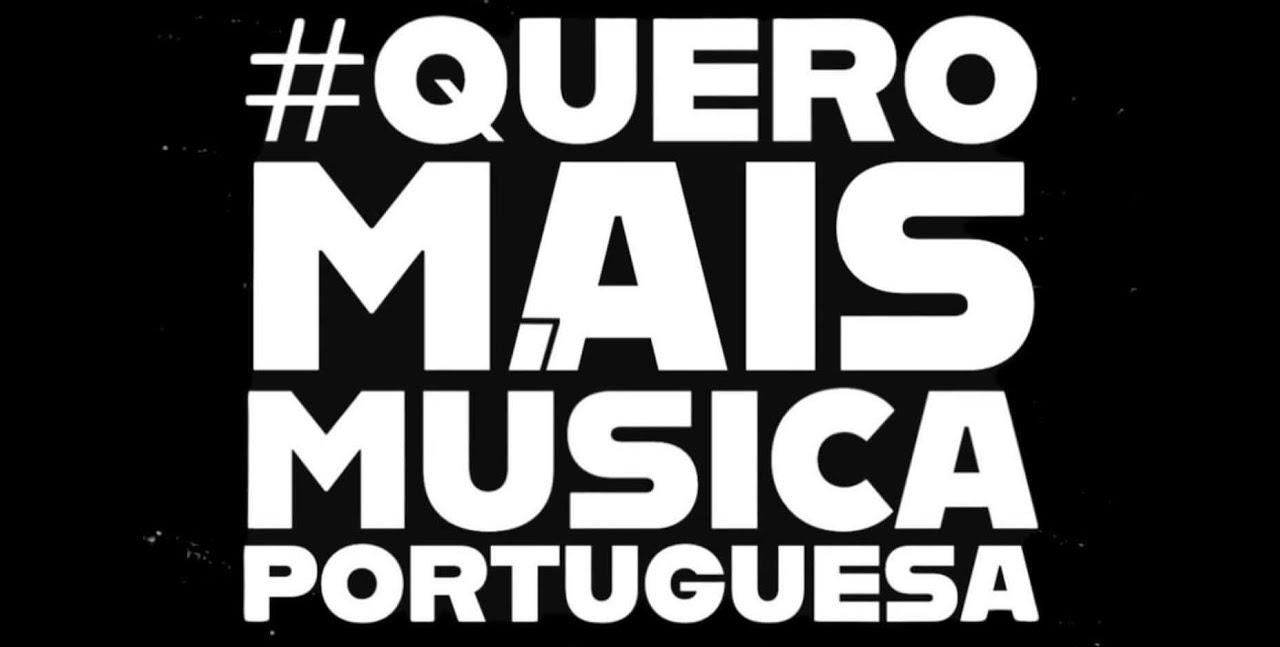
In times of crisis, the cultural sector is usually one of the most severely impacted, but it is also when the strength and mobilization of its members shine through. The #QUEROMAISMUSICAPORTUGUESA (“#IWantMorePortugueseMusic”) movement emerged as a public and political appeal focused on increasing the presence of Portuguese artists on the country’s radio stations and digital platforms.
What Was the Movement?
The #QUEROMAISMUSICAPORTUGUESA movement was a social and civic campaign driven by musicians, songwriters, independent record labels, music industry associations, and listeners in Portugal.
The image featuring the hashtag in bold white letters against a stark black background became a viral symbol across social media, shared en masse by both established and emerging artists to raise public and governmental awareness about the strategic value of music produced and sung in Portugal.
Context and Motivation
1. The Impact of the COVID-19 Pandemic
With the onset of the pandemic in 2020, the live performance sector ground to a complete halt. Canceled festivals, tours, and concerts left thousands of musicians, stage technicians, and cultural professionals without their primary source of income. The broadcasting of music on the radio (and the resulting collection of royalties and neighboring rights) became one of the very few active revenue streams for the industry.
2. Updating Radio Quotas
Portuguese legislation had mandated a minimum quota for broadcasting Portuguese music on radio stations since 2006 (set in 2009 at a minimum of 25%).
- For over a decade, this figure remained unchanged.
- In January 2021, the Ministry of Culture announced an increase in the mandatory minimum quota to 30% as part of a emergency support package for the cultural sector during the pandemic.
The Debate: Producers & Musicians vs. Radio Broadcasters
The initiative sparked a heated public debate across the national cultural landscape:
- Artists and Record Labels (Audiogest, AFP, SPA): Argued that increasing the quota was a fair, urgent, and essential measure to inject capital directly into Portuguese creators, promoting the language and cultural identity during a critical moment.
- Radio Broadcasters (APR – Association of Portuguese Radio Broadcasting): Argued against government-imposed mandates without prior consultation, citing interference with editorial freedom and programming autonomy for each station.
Key Goals of the Initiative
- Increased Visibility: Ensuring that new talents and independent projects gained airtime on both commercial and public radio.
- Financial Sustainability: Securing royalty payments for artists and producers during a total freeze on live events.
- Promoting the Portuguese Language: Boosting music sung and produced in Portugal amidst heavy competition from the global Anglo-Saxon market.
- Public Awareness: Encouraging listeners to actively consume national music on streaming platforms and radio shows.
Impact and Legacy
The mobilization sparked by campaigns like #QUEROMAISMUSICAPORTUGUESA highlighted the importance of unifying the artistic community around structural issues.
The quota adjustment to 30% remained a central topic of legislative debate in subsequent years, driving revisions to the Radio Law in the Portuguese Parliament and cementing the understanding that Portuguese music is not merely entertainment, but a vital piece of cultural heritage requiring ongoing protection and promotion.

O movimento #QUEROMAISMUSICAPORTUGUESA foi uma mobilização cívica do setor cultural em Portugal para apoiar os artistas durante a pandemia.
A iniciativa defendeu o aumento da quota mínima de música nacional nas rádios para 30%, garantindo direitos de autor e maior visibilidade.
O debate em torno da medida reforçou a importância de proteger e valorizar o património musical português em momentos de crise.