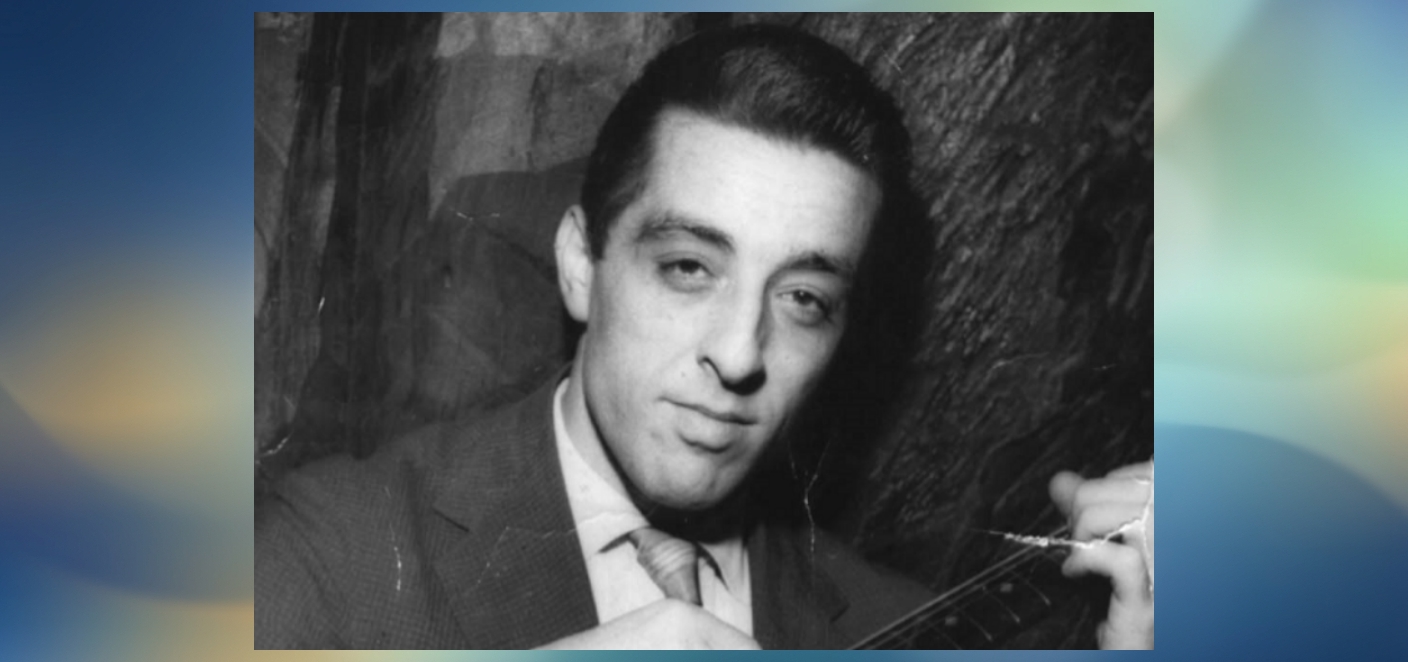
Manuel Augusto Martins Tristão da Silva (Lisbon, July 18, 1927 – Lisbon, January 10, 1978) was a prominent figure in Portuguese music, known for his emotional interpretations, deep and smooth timbre, and presence in romantic fado.
Childhood and Early Start in Music
Son of Francisco Tristão da Silva and Teodora Augusta Martins, he was born in the Lisbon neighborhood of Penha de França. From an early age, he showed a passion for singing, and at just nine years old (in early 1937), he began his artistic path performing on Sunday afternoons at Café Mondego, hired by promoter José Miguel. At the time, he used the stage name Manuel da Silva, becoming locally known by the nickname “O Miúdo do Alto do Pina” (“The Kid from Alto do Pina”).
Alongside his school life and early employment (working in drugstores in Graça and Rua Morais Soares, and later training as a locksmith), he pursued his musical passion. As a teenager, he performed in several local recreational societies and debuted in the capital’s fado houses, joining the early casts of Sala Júlia Mendes (at Parque Mayer) and Café Monumental.
Military Service and Professional Turn
He auditioned several times for the national broadcaster, Emissora Nacional, but was initially turned down. During his mandatory military service in the Light Artillery Regiment 3, he was granted permission to continue performing at night when under contract.
After completing his military service around the age of 22, he was introduced to conductor Belo Marques, then musical director at Estoril records. This introduction led to a contract with Manuel Simões to record his first records accompanied by Belo Marques’ orchestra.
National Acclaim and Media Presence
His broad public recognition came in 1954, propelled by two major hits: “Nem às Paredes Confesso” (written by Max and Artur Ribeiro) and “Maria Morena” (lyrics by Radamanto and music by Casimiro Ramos). Following this success, he joined Emissora Nacional and became a regular presence on radio broadcasts.
His career expanded to tours in Madeira (1955) and the Azores (1956), alongside recording sessions in Spain and travel across Africa. He was also among the early performers on RTP television broadcasts, performing from the studio setup at the Feira Popular in Lisbon.
The South American Period (1960–1964)
In 1960, he relocated to Brazil, where he resided for four years. In Rio de Janeiro, he worked with Rádio and TV Tupi, performed in traditional Portuguese venues, and participated in theater productions (such as “O Assunto É Mulher”, alongside Osvaldo Lousada).
In São Paulo, he performed across radio, television, and local venues, embarking on an extensive tour across several Brazilian state capitals, including Recife, Salvador, Porto Alegre, João Pessoa, Pelotas, Fortaleza, and Brasília. From Porto Alegre, he was booked for international performances across Bolivia, Chile, Paraguay, Argentina, Uruguay, and Peru.
Return to Portugal and Iconic Venues
He returned to Lisbon in 1964 at the invitation of impresario Vasco Morgado to star in the revue “Férias em Lisboa”. He performed at Fernanda Maria’s venue (Lisboa À Noite) and joined the rosters of major Lisbon fado houses, including O Faia, A Tipóia, A Parreirinha de Alfama, O Forcado, and O Luso. He also took part in film screenings at Teatro Politeama and theater plays at Teatro Maria Vitória and Monumental.
Tristão da Silva died prematurely at the age of 50 on January 10, 1978, in a serious car accident while returning from a performance at the fado house O Forcado.
Awards and Recognition
- Sassy Award (1961): Awarded in São Paulo during his stay in Brazil, recognizing the best international music-hall attraction performing in the city.
- Toponymic Tribute (2004): The Lisbon City Council honored him by naming a green space after him, located between Alto do Pina and Beato.
- Poetic Homage: Poet Carlos Conde dedicated verses to him in the column “Galarim da Semana” (Plateia magazine), praising his humility and how he earned his place in song and fado through talent alone.
Major Hits
- Nem às Paredes Confesso
- Maria Morena
- Da Janela do Meu Quarto
- Calçada da Glória
- Aquela Janela Virada Pró Mar
- Ai Se Os Meus Olhos Falassem
- Fado Tristão
References
- Museu do Fado – Biography and Profile of Tristão da Silva.
- Arquivo Nacional da Torre do Tombo – Marriage register book of the 3rd Civil Registration Office of Lisbon (1947).
- Lisbon City Council – City Directory / Municipal Toponymy Commission (2004).
- Historical periodicals: “A Voz de Portugal” (1957), “Diário Ilustrado” (1960), “Álbum da Canção” (1965), “Rádio & Televisão” (1969), and “Diário Popular” (1978).