
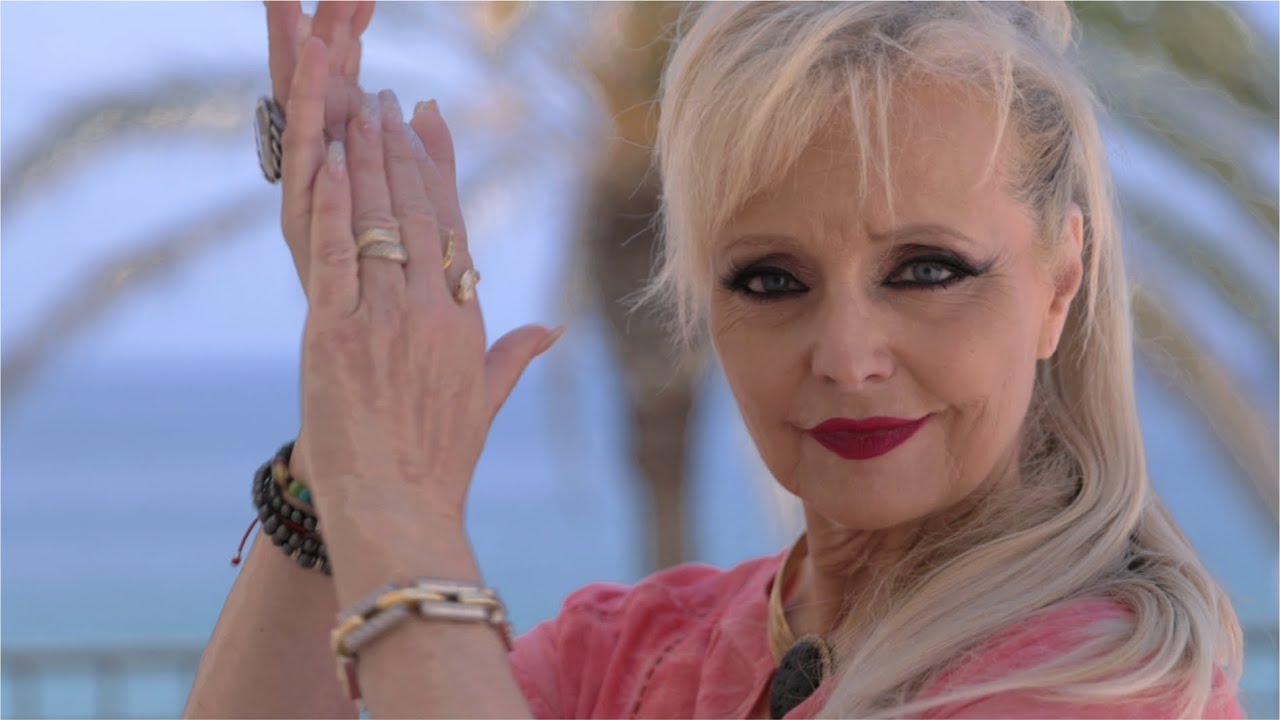
Maria Fernanda Pereira de Sousa, whom the world would come to know and love as Ágata, was born in Lisbon into an environment where music was not just a hobby, but a destiny.
From an early age, her voice revealed itself as a special instrument, capable of transmitting an emotional depth that would define her career in the following decades. Her childhood was the prelude to a total commitment to show business, paving the way for one of the most unique trajectories in Portuguese music.
Her professional entry into the music world happened while she was still a teenager, at a time when rock and pop energy dominated the charts. It was during this phase that she joined Cocktails, a project that allowed her to explore different sounds and gain the necessary stage experience across the country. This experience was fundamental in shaping her stage presence and understanding group dynamics before venturing into more ambitious and high-profile projects.
However, it was with the phenomenon of Doce that her popularity reached a new level of public recognition. By replacing members in Portugal’s most iconic female quartet, Ágata proved she had not only the vocal talent but also the image and charisma required to be at the forefront of national pop. This period was an intensive school of professionalism, bold costumes, and choreographies that remained etched in the collective memory of the Portuguese people.
After the era of bands, the singer felt the need to find her own identity, distancing herself from the fleeting glitz of group pop. The transition to a solo career was neither immediate nor without challenges, requiring a profound reinvention of her image and repertoire. It was during this search that the Ágata we know today began to emerge: a mature woman, a “fairy of the hearth,” and the voice of popular emotions.
The great turning point occurred in the 1990s, when she decided to embrace the “música ligeira” (popular light music) genre with disarming honesty. By singing about the pains of love, betrayals, and everyday triumphs, Ágata established an umbilical connection with her audience. She stopped being just a television singer to become a confidante for thousands of people who saw themselves reflected in every word of her lyrics.
The success of albums like “Perfume de Mulher” was unprecedented in the Portuguese recording market, reaching sales figures that today seem unachievable. Ágata became the “Queen of Popular Music,” accumulating platinum records and filling prestigious venues from the north to the south of the country. Her music crossed borders, taking a piece of Portugal and “saudade” to emigrant communities scattered across the globe.
Ágata’s biography is also marked by deep spirituality and a constant connection to family, elements she never hid from her audience. This transparency about her personal life, including moments of happiness and phases of deep introspection, helped build an aura of authenticity. For her fans, she is not an untouchable star, but someone who feels and suffers in the same way they do.
Her work ethic is remarkable, maintaining a vast discography that has rarely known prolonged breaks. Even with shifts in the music industry and the emergence of new genres, the singer always knew how to adapt without losing her essence. She understood that the secret to artistic longevity lies in loyalty to one’s principles and absolute respect for those who buy the records.
Beyond the stage, Ágata also ventured into other areas, demonstrating an entrepreneurial side and a constant desire to learn. Whether through writing, project management, or her regular presence on television programs, her personal brand is synonymous with dedication. This versatility allowed her to remain relevant in an industry that is often harsh toward those with long-standing careers.
Her time with Doce and Cockpit is remembered today with fond nostalgia, but it is her solo career that defines her deepest legacy. She achieved what few artists do: creating a unique style, easily identifiable from the very first chords. Ágata’s voice carries a sweet melancholy that is simultaneously a hug and a consolation for those who listen to her.
Over the years, the singer faced criticism and prejudice from certain sectors of society that looked down upon popular music. With unwavering elegance, she always responded with hard work and the affection of the crowds that followed her everywhere. Ágata proved that an artist’s dignity is measured by the truth they put into what they do, rather than the labels others try to apply to them.
Her story is also a testament to the evolution of Portuguese society itself and its musical tastes. From the days of song festivals to the digital era, Ágata has remained a stable point of reference in a constantly changing world. She is a living example that talent, when combined with resilience, can overcome any temporal or cultural barrier.
Looking at the journey of this woman who was born Fernanda and became Ágata, we realize that her life is an open song, full of highs and lows, but always in tune. Her biography is not just a list of hits and bands, but the account of a woman who dared to be herself in a world of appearances. Every concert continues to be a celebration of that shared journey with her loyal public.
Today, her influence extends to new generations of artists who see her as an example of how to manage a career with feet firmly on the ground. The affection she receives on the streets of Lisbon or in any small village in the interior is the greatest prize she could ever aspire to. Ágata knows that her music is part of the soundtrack of the lives of many Portuguese families.
In short, to speak of Ágata is to speak of a passion for art and an unwavering commitment to the popular roots of Portugal. From her youth bands to the throne of popular music, her path is a life lesson on how to transform vulnerability into strength. Her voice will surely continue to echo in the hearts of those who believe that music is the purest way to communicate the human soul.