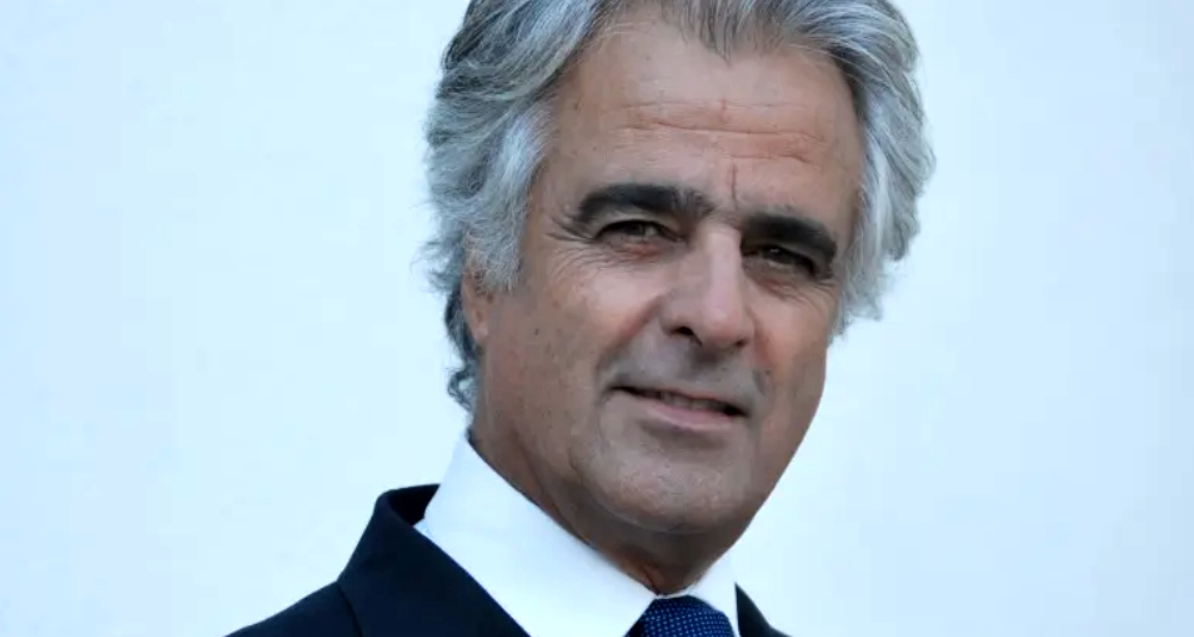
Born in Lisbon on June 19, 1951, Nuno Maria de Bragança e Bourbon da Câmara Pereira grew up in an environment where fado tradition and aristocratic heritage naturally intertwined. As the nephew of legendary fado singer Maria Teresa de Noronha and related to key figures such as Vicente da Câmara and Frei Hermano da Câmara, his artistic sensibility was shaped early on through intimate exposure to Portugal’s national songbook.
However, his early path was far from the capital’s stages, as he chose to pursue studies in agricultural sciences. He graduated in Agricultural Technical Engineering and devoted the early years of his youth to farm work and livestock management—an experience that gave him a practical view of life and forged a direct, assertive character he would later project in his public life.
Even while focused on his technical career, his passion for music spoke louder as the 1970s transitioned into the 1980s. The singer began frequenting fado houses and traditional venues across Lisbon, quickly attracting the attention of critics and connoisseurs with his striking timbre and emotional delivery in every performance.
His growing success and dedication to live performances eventually caught the eye of the record industry. This initial recognition led him to sign a contract with the influential and prestigious record label Valentim de Carvalho, a step that marked his professional transition into music and the start of a solid career in the national music scene.
In 1982, he released his debut studio album, titled “Fado!”, marking a prominent start to his discography. The project combined fado classics with original tracks, including highly successful songs such as “Acabou o Arraial” and “Cavalo Ruço,” which quickly became staples on Portuguese radio.
The artist’s rise continued at a rapid pace with the release of the album “Sonho Menino” in 1983. This work earned him the Fado Revelation Award presented by Nova Gente magazine and opened the doors to prestigious venues, selling out shows at auditoriums like the Aula Magna and establishing his position among the nation’s great voices.
The peak of his commercial and popular impact came in 1986 with the acclaimed album “Mar Português”. The record achieved double platinum status, selling over 120,000 copies—a remarkable milestone for the Portuguese record market at the time, particularly within the fado genre.
Over a fruitful career spanning more than four decades, he released around 14 studio albums and earned dozens of awards, including multiple gold and platinum records. His extensive discography reflects a continuous bridge between the purity of traditional aristocratic fado and popular song with broad appeal.
Alongside his musical success, Nuno da Câmara Pereira built an active and outspoken presence in public and political life. A staunch advocate for the monarchist cause, he led the People’s Monarchist Party (PPM) for several years, playing a central role in reorganizing the party and boosting its visibility.
His strong political involvement led him to Parliament, where he served as a Member of the Assembly of the Republic of Portugal. During his time in the legislature, he distinguished himself through a passionate defense of cultural heritage, agricultural issues, and national identity.
His civic activism extended beyond politics into the professional and non-profit sectors. He served on the governing bodies of the National Association of Agricultural Technical Engineers and was deeply involved in social solidarity causes, leading the Carnide Relief and Support Association and backing local initiatives in the Sintra region.
In his personal and media life, his public trajectory was frequently marked by controversy and lively debate. His trademark bluntness, combined with the public exposure of episodes from his private life, kept him under the close scrutiny of the media over the decades.
Despite these controversies, his valuable contribution to Portuguese culture was formally recognized with significant honors, including the Gold Medal of Merit from the City of Lisbon. Today, his career remains a fascinating portrait of a singular artist who united fado tradition, agricultural work, and a passionate commitment to Portuguese society.